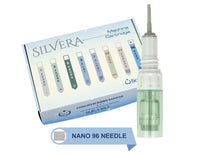
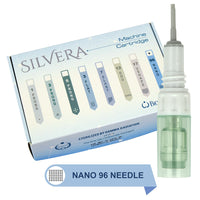
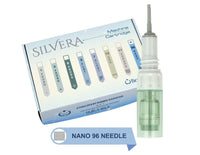
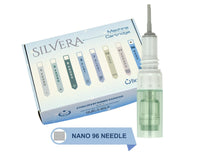


Microblading Supplies for Professionals
Share
A strong brow result starts long before the first stroke. Microblading supplies for professionals are not just a shopping list - they shape precision, healing, pigment retention, sanitation standards, and the client experience from consultation through touch-up.
For working artists, the difference between an average setup and a disciplined one shows up in small details. A blade that matches the skin, a pigment that heals predictably, a mapping system that saves time, and barrier protection that supports compliance all affect outcomes. If you are building or refining your station, your supply choices should support consistency, not guesswork.
What professional microblading supplies should actually do
Professional-grade supplies need to do more than look polished on a tray. They should help you produce clean strokes, maintain a safe treatment environment, and repeat successful results across different skin types and brow goals. That means every product in your setup has a job.
The tool itself must offer control. Pigments need to implant evenly and heal with stability. Pre-draw products should stay visible during the service without disrupting the skin. Aftercare materials should support healing without creating confusion for the client. When one category underperforms, the entire service can feel less predictable.
This is where many artists end up spending more than necessary. Buying more products does not automatically improve performance. A tighter, better-vetted kit often works harder than a large collection of mixed-quality items.
Core microblading supplies for professionals
Every serious brow artist needs a foundation that covers preparation, procedure, and post-service support. The exact lineup varies by technique and local regulations, but the essentials remain consistent.
Blades and hand tools
Your blade configuration directly affects stroke quality. Flexible and hard blades each have a place, and the right choice depends on pressure control, skin density, and the look you are creating. A finer configuration can support delicate hairstrokes, while a larger formation may help with speed or bolder structure. Neither is automatically better.
Hand tools should feel balanced and secure in the fingers, especially during longer appointments. If a tool slips, feels too light, or creates hand fatigue, it can affect your line quality by the second brow. Professionals usually learn quickly that comfort is not a luxury item - it is part of technical control.
Pigments and color modifiers
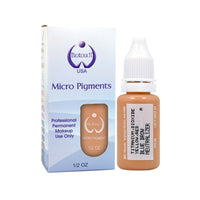
Pigment selection is one of the most strategic parts of your kit. You are not just choosing a brown. You are choosing how that shade behaves in the skin over time, how it interacts with undertones, and how it suits the client’s natural brow, hair color, and desired finish.
A professional pigment lineup should include adaptable core shades and, when appropriate, modifiers for warmth, depth, or correction. It also helps to work with lines known for consistency from batch to batch. When color heals unpredictably, rework becomes more likely, and that affects both schedule and reputation.
Mapping and measuring tools
Strong symmetry does not come from visual instinct alone. Brow rulers, string, calipers, mapping pencils, and skin-safe markers all support cleaner pre-draws and smoother approvals. Even experienced artists benefit from structured mapping because it reduces avoidable variations.
The best mapping supplies are the ones that stay readable through the service and fit naturally into your process. If your pencil fades too quickly or your marker smudges under prep products, small frustrations can start to slow the entire appointment.
Skin prep and sanitation supplies
Prep products matter because the skin needs to be clean, balanced, and ready for implantation. You also need reliable disinfecting and barrier materials to maintain a compliant, professional workspace. That includes gloves, masks, protective wraps, bibs, cotton applicators, gauze, and approved surface sanitation products.
This category is sometimes treated as routine overhead, but it should not be an afterthought. Clients notice clean setup standards immediately, and those details contribute to trust before you ever begin the procedure.
Numbing and aftercare support
Topical comfort products, where permitted and used according to regulations, can help improve the client experience. So can the way you organize your aftercare materials. Clear, professional aftercare support reduces confusion, supports retention, and limits preventable issues during healing.
A professional setup should include the supplies needed to send clients home with confidence, whether that means aftercare packets, printed instructions, or both. Strong service does not end when the client leaves the chair.
How to choose supplies based on skin, service style, and business stage
Not every artist needs the same inventory. A new brow specialist may be better served by a streamlined professional kit with a small number of dependable blades, foundational pigments, and sanitation essentials. A more established artist may need broader options for correction work, mature skin, oily skin, or combination brow services.
Technique also matters. If your style centers on ultra-fine hairstrokes, your blade preferences will differ from someone who works with more definition or frequently blends microblading with shading. Skin type changes the equation too. Oily or textured skin may not be ideal for every microblading approach, which means your supply decisions should reflect realistic treatment planning, not just ideal-case artistry.
There is also a business angle. Supplies should support efficiency at scale. If you are seeing multiple brow clients per week, it makes sense to standardize around products that perform reliably, are easy to restock, and fit your documentation and consent process. Consistency is part of profitability.
Why authenticity matters when sourcing microblading supplies for professionals
In permanent makeup and brow services, sourcing is not a minor detail. Counterfeit, diverted, or poorly stored products can compromise retention, color outcomes, and sanitation confidence. For professionals, buying through trusted channels protects more than a single appointment - it protects your brand.
That is why official distribution matters. Authentic professional products are more likely to arrive with the formulation consistency, storage integrity, and manufacturer support that working artists need. This is especially important for pigments, needles, and specialty tools where quality control directly affects service performance.
A supplier should also understand the professional environment. Licensed practitioners need more than generic product descriptions. They need category knowledge, clear specifications, and a catalog built around treatment use, not consumer trends.
The hidden cost of low-grade supplies
Cheap tools can become expensive very quickly. A blade that drags, a pigment with unstable healing, or a mapping product that disappears mid-service can cost time, touch-ups, and client confidence. None of those losses show up neatly on an invoice, but they affect the business all the same.
There is a trade-off, of course. Premium products do not mean every item in your room must be the most expensive version available. The goal is to invest where performance and safety matter most. In microblading, that usually means your blades, pigments, sanitation products, and key procedural tools deserve the highest scrutiny.
Supporting items can be evaluated more flexibly, but only after your core treatment categories are locked in. Professionals do well when they think like operators, not impulse buyers.
Building a supply system that supports growth
The most effective artists do not just buy supplies. They build systems. They track what shades they use most, which blade configurations perform best on specific skin types, how often consumables need replenishment, and where inconsistencies appear in healed results.
That record-keeping turns purchasing into strategy. It helps you refine your menu, train staff more effectively if you expand, and reduce waste. It also makes it easier to identify when a product is truly improving your services versus simply adding complexity.
For businesses that want to grow, education should sit alongside inventory. Products perform better in trained hands, and advanced training often changes what belongs in your setup. A supplier with academy-level understanding can be a stronger long-term partner because they recognize the connection between product choice, technical skill, and revenue growth. That is where a professional source such as Italian Esthetic Academy & Beauty Supply fits naturally into the working artist’s model - not as a general beauty retailer, but as a supply partner built around practitioner standards.
A better way to evaluate your current kit
If your setup feels overcrowded or inconsistent, audit it by outcome. Ask which supplies help you work faster without sacrificing quality, which ones support better healed results, and which products you keep replacing because they never quite deliver. That review usually reveals more than any trend-driven purchase ever will.
Microblading is a precision service, and your supplies should reflect that level of discipline. When your tools, pigments, prep products, and aftercare materials all work together, the appointment feels more controlled, the result feels more refined, and the client leaves with greater confidence in your expertise.
The right kit does not need to be oversized. It needs to be intentional, authentic, and built for the way professionals actually work.